Аренда палаток для кемпинга in 2024: what's changed and what works
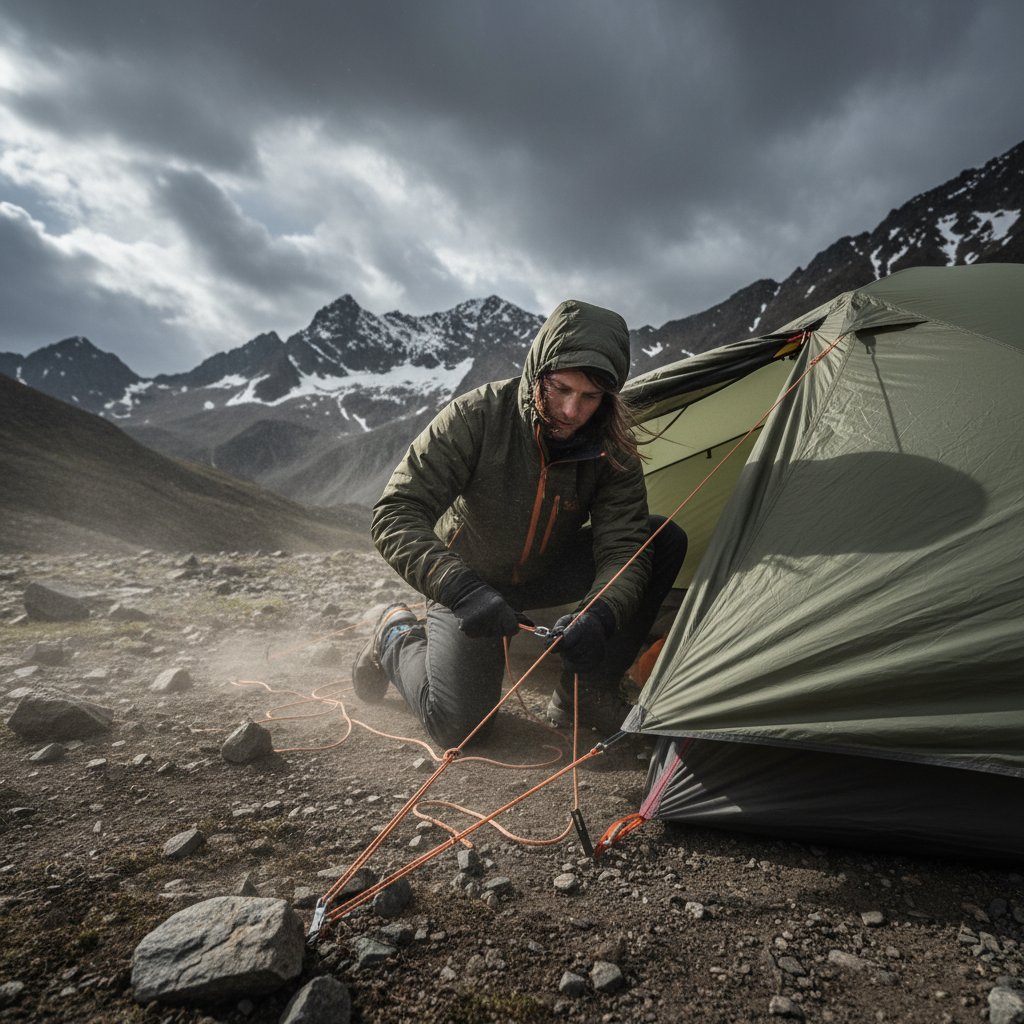
The camping tent rental market has evolved dramatically over the past year. What used to be a niche service offered by a handful of outdoor shops has transformed into a full-fledged industry with sophisticated booking platforms, premium gear options, and delivery services that'll bring everything right to your campsite. If you're considering renting instead of buying, here's what's actually working in 2024.
1. Direct Delivery to Campsites Has Become the Standard
Remember when you had to drive across town to pick up your rental tent, cram it into your already-packed car, and hope you didn't forget the stakes? That's ancient history now. Most rental services worth their salt offer direct campsite delivery within a 50-mile radius, and some have expanded to cover entire regions. You book online, pick your arrival date, and find everything set up when you arrive—or ready for you to pitch if you're the DIY type.
The pricing for delivery typically runs $30-75 depending on distance, but here's the kicker: many services waive the fee entirely for rentals over $200 or multi-day bookings. Companies like Arrive Outdoors (operating across California and Colorado) have built their entire business model around this convenience factor, and traditional rental shops have had to adapt or lose customers.
2. Pricing Models Have Gotten Surprisingly Flexible
The old three-day minimum rental period? Gone at most places. You can now rent quality four-person tents for single overnight trips starting around $45-60, with weekly rates dropping to roughly $120-180. Weekend warriors benefit from Friday-to-Monday packages that cost about 30% less than booking four separate days.
What's really changed is the subscription model some companies have introduced. Pay $299 annually and you get unlimited rentals with just a $25 processing fee per trip. Do the math—if you camp more than four times a year, you're saving money compared to individual rentals. Plus you're not stuck maintaining gear during the off-season or dealing with storage issues in your apartment.
3. The Gear Quality Has Jumped Several Notches
Budget rentals used to mean Coleman tents from 2008 with questionable zippers and that distinctive musty smell. Not anymore. The competitive rental market has forced providers to stock current-season equipment from brands like REI, Big Agnes, and MSR. You're getting tents that retail for $400-800, professionally cleaned and inspected after each use.
Many services now tier their inventory: economy options run $40-50 per night for basic shelter, mid-range sits at $60-80 with better weather protection and livable space, and premium selections ($100-150 nightly) include four-season tents with vestibules, gear lofts, and enough headroom to stand up. The premium tier has grown 40% year-over-year because people realized that comfort matters when you're spending three days in the backcountry.
4. Bundle Packages Actually Make Sense Now
Individual gear rentals add up fast. Tent plus sleeping bags plus pads plus camp chairs equals a dozen line items and decision fatigue. Smart rental companies have cracked the code with curated packages designed for specific trip types. A "Weekend Warriors" package for two people might include a tent, sleeping system, camp kitchen setup, and lighting for $180 total—roughly 25% less than renting items separately.
The family packages have become particularly popular. One service in Washington state offers a complete six-person camping setup (tent, sleeping gear for six, cooking equipment, camp table, and chairs) for $320 per weekend. When you consider that buying equivalent gear would run $2,000+, and you'd use it maybe twice a year, the rental math works beautifully.
5. Last-Minute Bookings Are Actually Possible
Inventory management technology has improved to the point where you can book quality gear 48 hours before your trip during non-peak seasons. Some services even offer same-day rentals if you're willing to pick up in person. Peak summer weekends (Memorial Day through Labor Day) still require 2-3 weeks advance notice, but shoulder seasons have opened up considerably.
Mobile apps now show real-time availability with photos of actual equipment condition. You're not gambling on what shows up. Several companies have implemented rating systems where previous renters comment on specific tent units, so you know that "Blue MSR Hubba #7" has a sticky zipper before you book it.
6. Insurance and Damage Policies Have Become Transparent
The anxiety about damaging expensive rental gear used to keep people from renting at all. Now most services include basic wear-and-tear coverage in the rental price, with optional damage waivers running $15-25 that cover everything except gross negligence. You tear a rainfly on a branch? Covered. Your dog chews through the mesh? That'll cost you, but you know exactly how much—usually 30% of replacement value rather than the full retail price.
This transparency has reduced disputes by about 60% according to industry data, and renters feel more confident taking gear into actual wilderness conditions rather than babying it like a museum piece.
The tent rental landscape has matured into something genuinely useful for occasional campers, people testing gear before buying, or anyone who values storage space in their home. The convenience premium has shrunk while service quality has jumped. Whether you camp twice a year or ten times, renting has become a legitimate alternative to ownership—not just a desperate last resort when your buddy backs out and takes his tent with him.